The Route: Larnaca to Troodos by Bus
From Larnaca, the journey to Troodos by bus involves at least two changes and takes around three to four hours. Start at Larnaca's central bus station (next to the old port) with an intercity bus to Limassol. These run hourly from about 6am to 8pm and cost around €4 one-way. The trip takes roughly 1 hour 30 minutes along the motorway. In Limassol, you'll arrive at the new bus terminal on Franklin Roosevelt Avenue, where you'll switch to a bus heading to Troodos.
From Limassol's terminal, take the 64 bus towards Troodos. This service is less frequent—typically four to five times daily—and the journey takes about 1 hour 30 minutes up winding mountain roads. The fare is around €2.50. Buses are comfortable but fill up quickly in summer, so arrive early. Alternatively, from Larnaca you can take a bus to Nicosia (about 1 hour 15 minutes, €4) and then a bus to Troodos via Limassol, but that adds time. The Limassol route is the most straightforward.
Timing Your Trip and Buying Tickets
Buses in Cyprus are generally reliable but infrequent, especially on weekends. The first bus from Larnaca to Limassol departs around 6am, arriving in time to catch the 9:30am bus to Troodos. The last return from Troodos to Limassol leaves around 5pm, so plan for an early start to avoid getting stranded. Tickets can be bought on board from the driver, but it's best to have cash (euros) ready. A day pass for Larnaca's urban buses costs €5, but intercity buses are separate and priced per journey.
Summer (June to August) is peak season, and buses to Troodos can be crowded, particularly on weekends when locals head to the mountains. Spring (April to May) and autumn (September to October) offer milder weather and fewer crowds. Check the Cyprus Public Transport website or app for updated schedules, as times can change seasonally. If you're travelling with luggage, note that buses don't have large storage areas, so pack light. For a stress-free journey, consider staying overnight in Limassol to break up the trip.
Where to Stay in Troodos
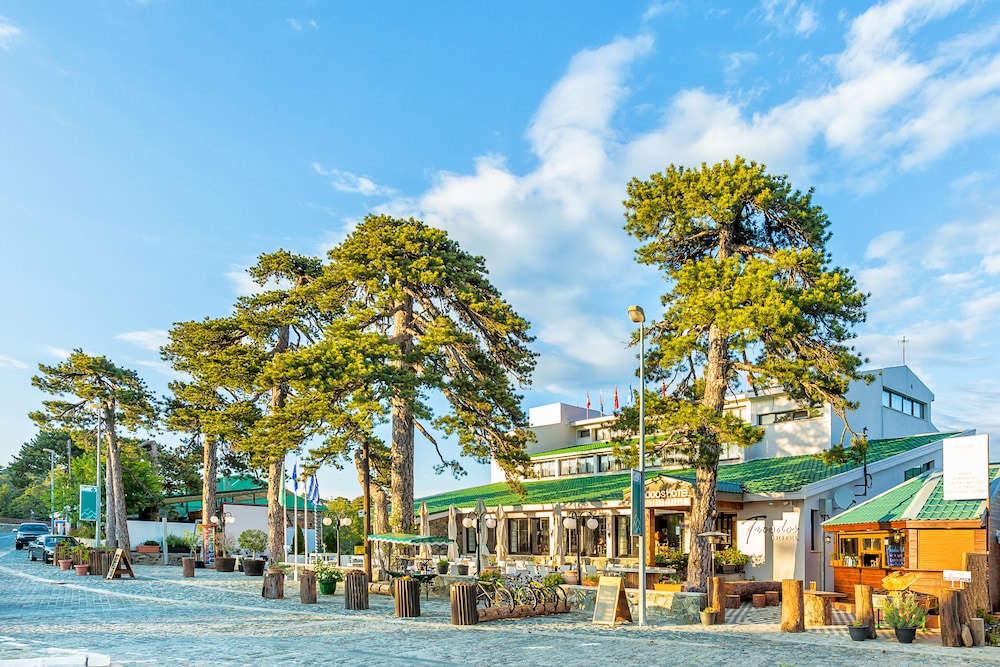
Troodos villages like Platres, Pedoulas, and Kakopetria offer a range of accommodation, from guesthouses to mountain resorts. Platres, at 1,100 metres, is a popular base with several hotels and easy access to trails like the Caledonia Falls path. Pedoulas, slightly higher and quieter, has traditional stone houses and a few small hotels. Prices for a double room in mid-range hotels typically range from €70 to €120 per night in peak season, and €50 to €80 in shoulder season. Budget guesthouses start around €45.
For first-time visitors, I'd recommend staying in Platres. It's well-connected by bus (the 64 stops here), has a handful of restaurants and shops, and is close to the Troodos Botanical Garden and the Kykkos Monastery. Kakopetria is another good option, with its charming old town and proximity to the Solis trails, but it's a bit further from the main bus route. Book accommodation in advance, especially in summer, as rooms in these small villages fill up quickly. Many hotels can arrange pick-up from the bus stop if you ask.
What to See and Skip
The Troodos Mountains are best known for their Byzantine churches, many of which are UNESCO World Heritage sites. Don't miss the painted churches of Pedoulas (Panagia tou Moutoulla) and Galata (Panagia Forviotissa), both easily accessible by local bus or a short taxi ride. The Kykkos Monastery, housing a golden icon of the Virgin Mary, is a major pilgrimage site and worth a visit, but it's crowded on weekends. Skip the Troodos Square area, which is mostly souvenir shops and overpriced cafes; instead, head to the trails around Mount Olympus for panoramic views.
Hiking is a highlight: the Artemis Trail (7 km loop) and the Atalanti Trail (14 km) offer stunning scenery and start near the top of Mount Olympus. In winter, the slopes above 1,500 metres often have snow, and the Sun Valley ski area operates when conditions allow. However, ski hire is limited, so check ahead. For a taste of local culture, visit the village of Omodos, known for its wine and lace, but be aware it's touristy. The quieter village of Moutoullas, with its mineral water spring, is a refreshing stop.
Where to stay
Hotels in Troodos
Good to know
Questions, answered
How long does the bus journey from Larnaca to Troodos take?
The entire trip takes about 3 to 4 hours, including a change in Limassol. The Larnaca to Limassol leg is 1.5 hours, and Limassol to Troodos is another 1.5 hours, plus waiting time.
How much does the bus cost from Larnaca to Troodos?
Expect to pay around €4 for Larnaca to Limassol and €2.50 for Limassol to Troodos, totaling about €6.50 one-way. Tickets are purchased from the driver in cash.
Are there direct buses from Larnaca to Troodos?
No, there are no direct buses. You must change in Limassol. The journey involves two separate buses, and schedules are not always coordinated, so plan for some waiting.
What is the best time of year to visit Troodos by bus?
Spring (April-May) and autumn (September-October) offer pleasant weather and fewer crowds. Summer is busy, especially weekends, and winter can be cold with snow at higher altitudes, though buses still run.
Can I buy bus tickets online in Cyprus?
Most intercity buses require cash payment on board. However, some urban buses in Larnaca and Limassol accept contactless cards. It's advisable to carry cash for the mountain routes.
Where should I stay in Troodos without a car?
Platres is ideal for bus travellers, as the Limassol-Troodos bus stops in the village. Pedoulas and Kakopetria are also options but may require a short walk or taxi from the main road.
Is it easy to get around Troodos without a car?
Public transport within Troodos is limited, but local buses connect main villages. For hiking and visiting remote churches, you may need to walk or take a taxi. Staying in Platres puts you within walking distance of several trails.
What should I pack for a bus trip to Troodos?
Pack light, as buses lack large luggage space. Bring water, snacks, and layers—mountain weather can change quickly. Wear comfortable shoes for walking, and carry cash for bus fares and small purchases.
Doing good is the business: every booking through Stay Cyprus funds one verified tonne of carbon removal — same room, same price, no markup.
Search stays