Colossal Venetian walls, a Gothic cathedral turned mosque, Roman Salamis up the road and the fenced ghost quarter of Varosha.
Famagusta — Gazimağusa on local signs — was the richest port in the eastern Mediterranean in the fourteenth century, and the walled city still looks like it. Venetian ramparts up to eight metres thick ring a grid of sandstone lanes containing the shells of dozens of medieval churches, most roofless, most unlabelled, several with grass growing out of their apses. At the centre stands the fourteenth-century Cathedral of St Nicholas, its Gothic west front intact, converted to the Lala Mustafa Pasha Mosque after the Ottoman siege of 1571 and still in daily use.
Nine kilometres north lies Salamis, the largest archaeological site on the island: a Roman theatre, a gymnasium with rows of standing columns, bath complexes with surviving mosaic, all set behind a dune beach where you can swim afterwards. Nearby is the monastery of St Barnabas with its icon museum. Between the two you have the raw material for two full days, and far fewer visitors than the mosaics at Paphos get in a single morning.
And then there is Varosha. The southern suburb, abandoned in 1974 and fenced off for decades, had a strip partially reopened to visitors in 2020 — you can now walk or cycle designated streets past 1970s hotel towers with trees growing through them. It is unsettling, politically contested, and unlike anything else you will see. Photography rules are enforced on parts of the route; follow the signage rather than argue.
Stay here if you are a ruins person and want the Karpaz peninsula within reach. Evenings are low-key: the walled city has a few courtyard restaurants where dinner is €15-22, and the real noise comes from the Eastern Mediterranean University crowd along Salamis Road, where student bars run to 1am in term time. Skip Famagusta if you want a beach-resort holiday — Palm Beach and Glapsides are pleasant but thin compared with Protaras twenty minutes south-west, and the hotel stock is small.
Where to stay in Famagusta
The choice is between atmosphere and facilities. A handful of small hotels and restored houses sit inside or immediately outside the Venetian walls at €55-95 a night, putting you a two-minute walk from Lala Mustafa Pasha Mosque and the Othello Tower; they are simple, and few have parking or pools. On the sea, the Palm Beach area east of the walls — right against the Varosha fence — has the largest hotel, with a beach, pools and a casino, from around €100-180. North towards Salamis there are a couple of low-rise beach hotels with pines and sand at €80-140, which suit anyone here for the archaeology. The university district along Salamis Road is cheap but geared to students and noisy in term time. Wherever you book, confirm what is included and how payment is taken, because card handling here is not always the same as in the south.
Where to sleep
Hotels in Famagusta
Visited in person, not pulled off a spreadsheet. Rates run the same or better than booking direct, and one tonne of carbon is removed per stay.
 ★ 4.0
★ 4.0Famagusta
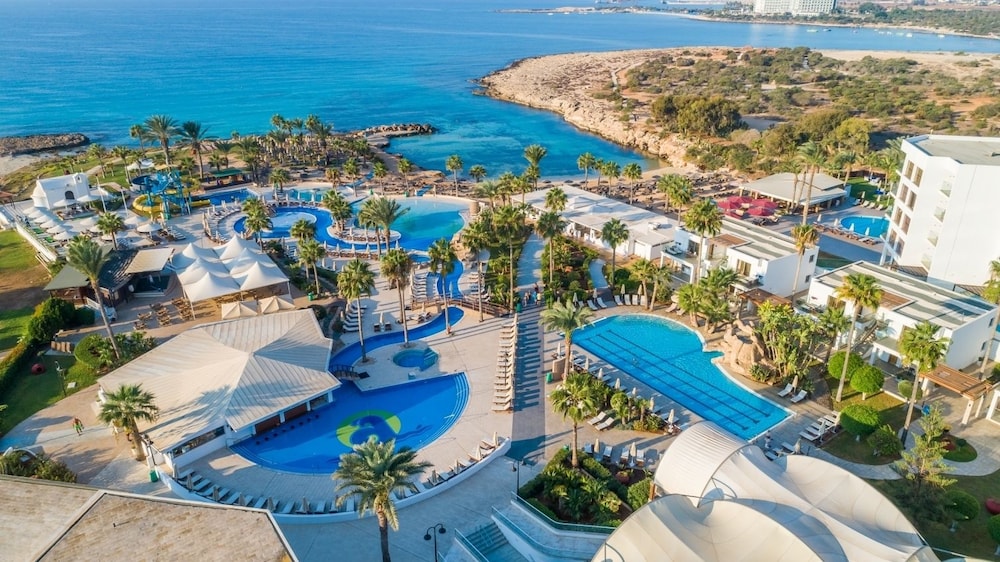
Adams Beach Hotel & Spa
Guest score 4.0 · Famagusta. Booked at the live rate through app.impt.io.
Live priceReserve
 ★ 4.0
★ 4.0Famagusta
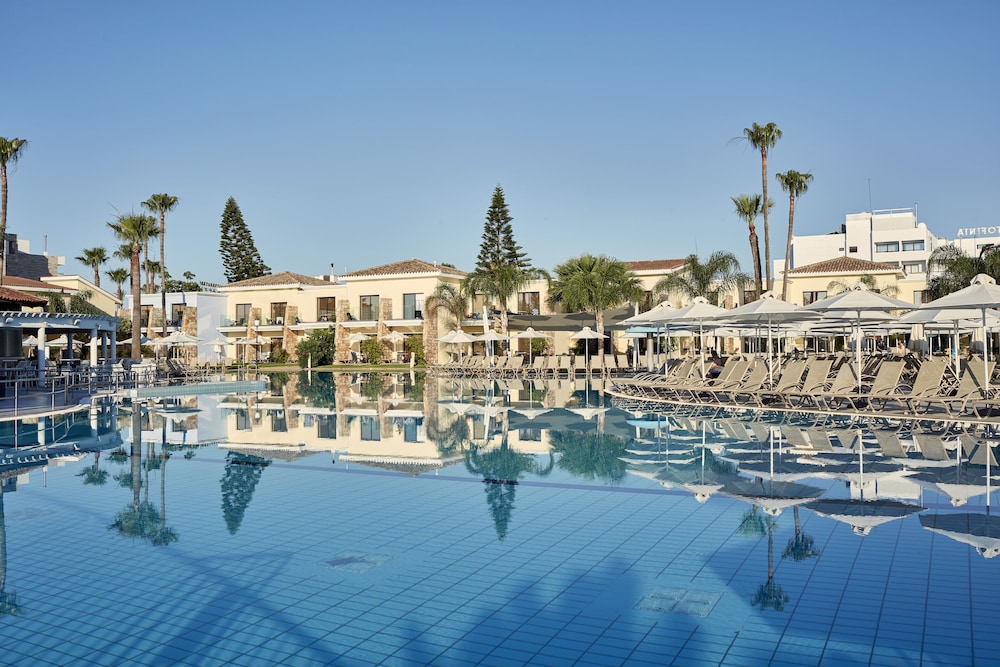
Atlantica Aeneas Resort
Guest score 4.0 · Famagusta. Booked at the live rate through app.impt.io.
Live priceReserve
 ★ 4.0
★ 4.0Famagusta
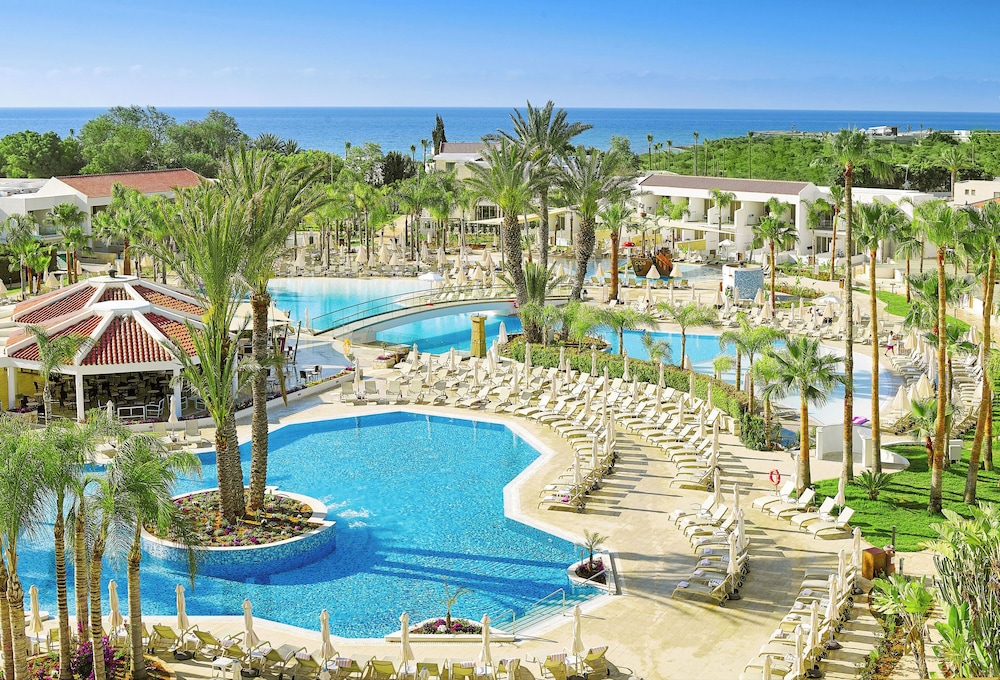
Olympic Lagoon Resort Ayia Napa
Guest score 4.0 · Famagusta. Booked at the live rate through app.impt.io.
Live priceReserve
 ★ 4.0
★ 4.0Famagusta
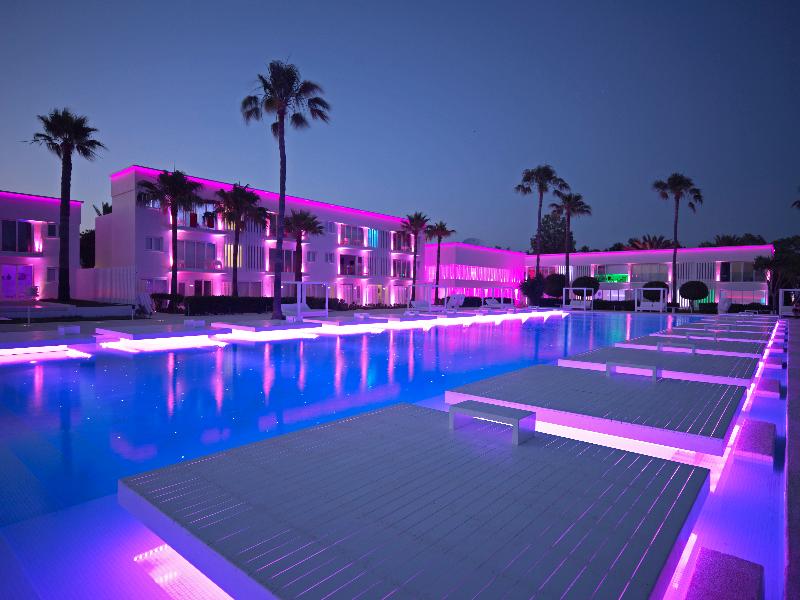
Atlantica So White Club Resort
Guest score 4.0 · Famagusta. Booked at the live rate through app.impt.io.
Live priceReserve
On the ground
Things to do in Famagusta
- Stand under Lala Mustafa Pasha MosqueNamık Kemal Square, dead centre of the walled city. The finest Gothic facade in the eastern Mediterranean, built as the Cathedral of St Nicholas in the 1300s and given a minaret after 1571. Free, but it is an active mosque — remove shoes, cover shoulders and knees, and avoid prayer times.
- Walk the ramparts and Othello TowerThe citadel at the north-east corner of the walls, above the old harbour. Entry around €3. Venetian gun platforms, a vaulted great hall and the seaward view Shakespeare's play borrowed the name for. Combine it with the Ravelin bastion at the Land Gate on the opposite side of the circuit.
- Spend a morning at SalamisNine kilometres north on the coast road, about fifteen minutes. Roman theatre seating 15,000, a gymnasium ringed with re-erected columns, latrines, baths and mosaic fragments, spread over a huge dune site. Roughly €5, closing earlier in winter. There is a swimmable beach right behind the ruins — bring a towel.
- Walk or cycle the reopened Varosha streetsSouth-east of the walled city, entrance off the Democracy Street approach. Designated routes run past abandoned 1970s hotels and shopfronts frozen since 1974. Free; bicycles for hire at the gate for a few euro. Obey the photography signage and stay on the marked roads — the rest remains fenced and patrolled.
- See the icons at St Barnabas MonasteryTwo kilometres inland from Salamis, near the village of Tuzla. A domed monastery church now housing an icon collection, with an archaeological museum in the monks' cells and the rock-cut tomb of Barnabas in a small chapel across the field. Around €4, closes by mid-afternoon in winter.
- Swim at Glapsides or Palm BeachGlapsides sits about 5 km north of the walls with soft sand, shallow water and beach bars busy with students in summer; Palm Beach is immediately east of the old town against the Varosha fence, with sunbeds and the eerie skyline of empty towers behind you. Loungers €5-8.
The essentials
Inside the Venetian Walls (3 km)
Enter at the Land Gate and Ravelin bastion, walk Istiklal Street to Namık Kemal Square for the Lala Mustafa Pasha Mosque and the Venetian Palace loggia, then head north through the ruined churches of the Greek quarter — St George of the Greeks, the Nestorian church, the twin Templar churches. Finish on the ramparts at the Othello Tower above the old harbour.
Getting there & around
From the south, cross the Green Line at Strovilia near Pyla or at Ayios Dometios in Nicosia; from Protaras or Ayia Napa the Strovilia route puts you in Famagusta in 30-40 minutes, and from Larnaca allow an hour and a quarter. A hire car from the south needs separate insurance bought at the checkpoint, roughly €20-30 for three days, and northern hire cars cannot cross south. Passports for everyone, always. Within the north, minibuses run frequently along Salamis Road and to Nicosia and Kyrenia for a few euro. The walled city itself is compact — end to end on foot is twenty minutes — but Salamis needs wheels. Ferries link the port with Mersin on the Turkish mainland, an overnight crossing.
Good to know
Famagusta, questions answered
Can I visit Varosha, the abandoned town?
Partly. A section reopened to visitors in 2020, with marked pedestrian and cycle routes past derelict hotels and shops. Entry is free and bicycles are rented at the gate. Photography is restricted on parts of the route and the surrounding area stays fenced; follow the signage and the marshals rather than testing it.
How do I get to Famagusta from Ayia Napa or Protaras?
Drive north to the Strovilia crossing near Dherynia, about 20 minutes, then a further 15-20 minutes into Famagusta. Bring passports and buy the extra vehicle insurance at the booth if the car was hired in the south. Day tours also run from both resorts, typically €35-50 including Salamis.
Is one day enough for Famagusta and Salamis?
Tight but doable if you start early. Give Salamis two hours in the morning before the heat, St Barnabas thirty minutes, then the walled city and Varosha in the afternoon. Two days is far better and lets you add the Karpaz peninsula, which is another two hours north-east.
Are there decent beaches in Famagusta?
Yes, though not resort-standard. Glapsides, 5 km north, has soft sand and beach bars; Silver Beach and the strand behind Salamis are quieter and backed by dunes. Palm Beach next to the old town is convenient and strange, sitting in the shadow of the empty Varosha towers.
Keep exploring
Nearby on the coast

438 stays
Protaras
Fig Tree Bay's shallow turquoise water, a chapel on a rock with 153 steps, and evenings that end at midnight rather than five.
Stays in Protaras ↗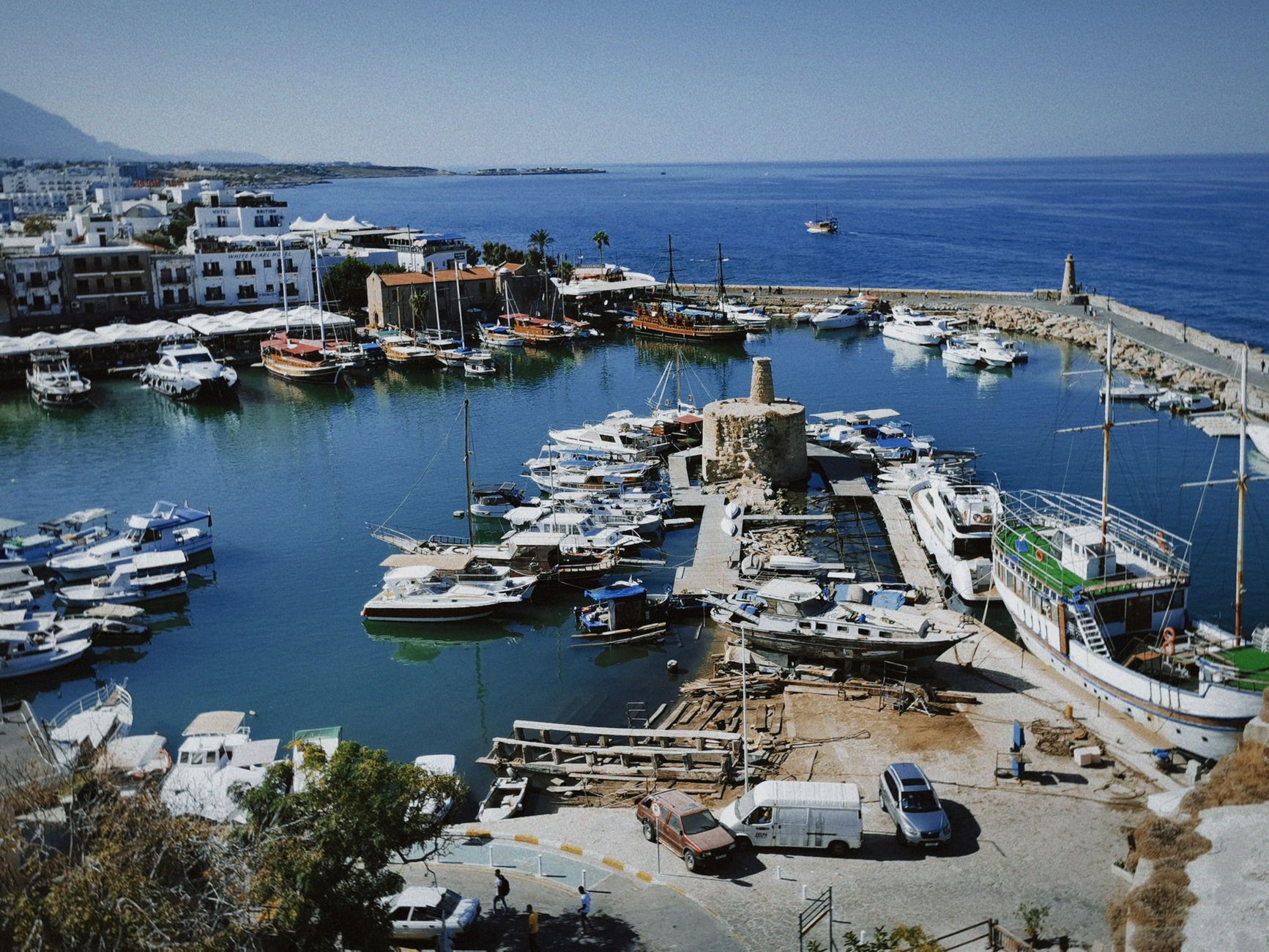
9 stays
Kyrenia
A horseshoe Venetian harbour with a castle at one end, a Gothic abbey in the hills above, and mountains straight into the sea.
Stays in Kyrenia ↗
218 stays
Cape Greco
National forest park headland of sea caves, arches and cliff paths between Ayia Napa and Protaras, with the island's clearest water.
Stays in Cape Greco ↗Doing good is the business: every booking through Stay Famagusta funds one verified tonne of carbon removal — same room, same price, no markup.
Search stays