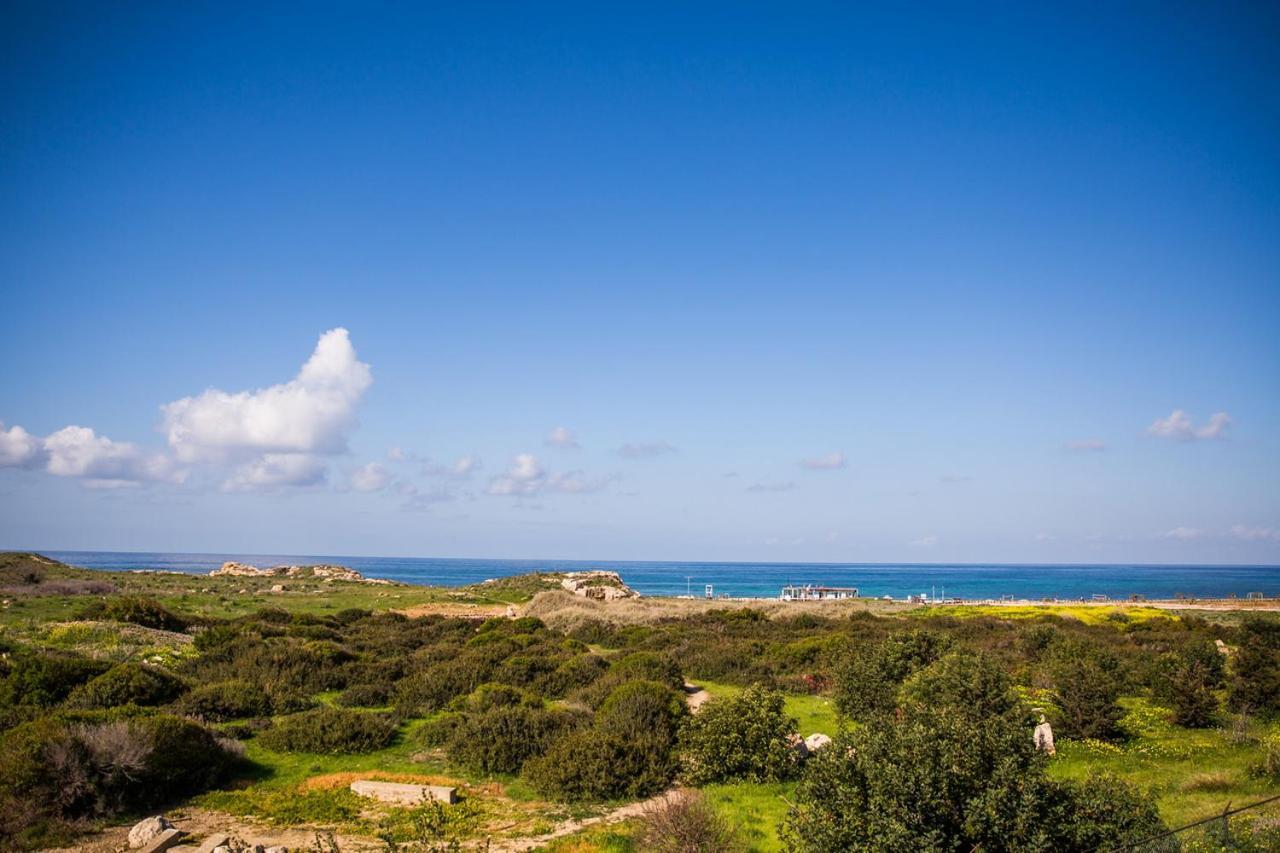
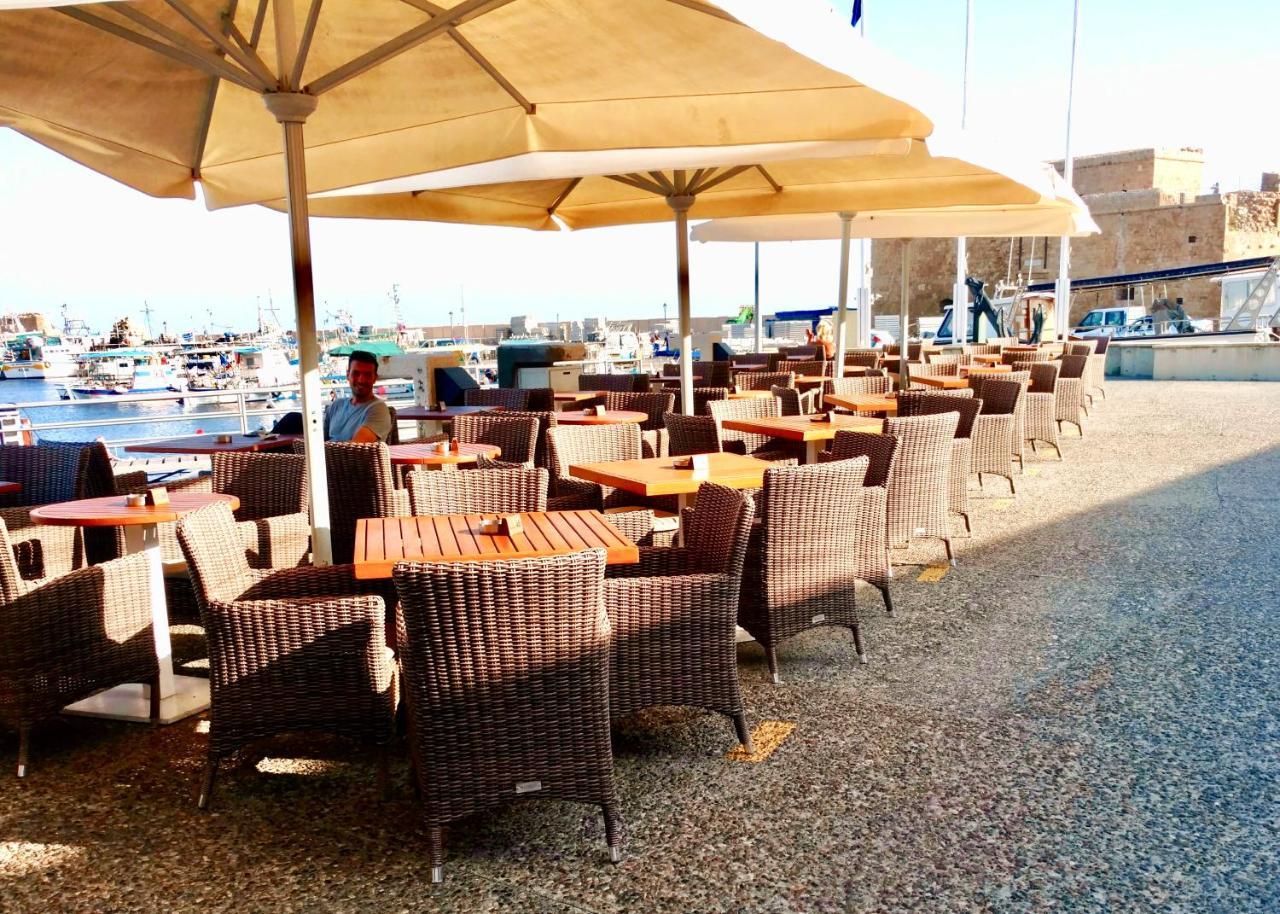
Paphos Archaeological Park is the walled, UNESCO-listed heart of Nea Paphos, the city founded in the late fourth century BC and later the Roman capital of Cyprus. Inside one seaside enclosure beside the harbour stand the second-century AD Odeon, still used for performances, the Roman agora and the Asklepieion, the ruined Byzantine fortress of Saranta Kolones, a lighthouse of 1888, the ancient city walls and the north-east gate. The park is world-famous above all for its Roman villas, whose mosaic floors were found from 1962 onwards. The House of Dionysus, House of Theseus, House of Aion and House of Orpheus are protected under modern shelters with raised walkways, and most visitors enter from the harbour side and turn left for them. This is a big, flat, dusty archaeological landscape rather than a museum, and it rewards a slow morning rather than a dash. The quietest windows are 8:30 to about 10:00 and after 16:30 in summer, when the light softens over the odeon and the mosaics.